Pre-Seed VS Seed Funding: What are Key Differences?
23.04.2024
Share
Understanding Pre-Seed Funding
Every entrepreneur's journey begins with raising money. However, this can become a stumbling block for a young startup, as early stage investments may have different specific criteria.
All early-stage rounds are "prequels" to the main story that happens during Series A, B and C. But what’s the difference between Seed and Pre-Seed rounds?
What is Pre-Seed Investment?
Pre-Seed funding is also called "family and friends" funding because it typically involves the people closest to you, including your friends, family and early fans of your soon-to-be unicorn.
You can expect Pre-Seed investment once you have a minimal viable product (MVP) and a clear vision of how your product/idea fits into the current market. Also, this is a high-risk round, so investors expect to get equity in the company at a low valuation.
Typical Pre-Seed funding amounts range from $10,000 to $250,000. Of course, if you already have a well-developed prototype or a working product and a clear roadmap, you can get more fundings. Some startups raise up to $2-3 mln during such rounds. The main characteristic of this round is the absence of equity investment. So in this Seed vs Pre-Seed battle, the latter has more investment points.
If you need to test your readiness for the Pre-Seed round, check the following
- Market fit: there is a gap in the market that you can fill
- Demand: there are some customers ready to use your product/idea right now
- Team: the founders need to be experienced and ready to fight
- Prototyping: You've got the framework, now you need more money to build a cool prototype.
Purpose of Pre-Seed Fundraising
In short, this stage is necessary to bring your ideas to life.
The main goals of Pre-Seed funding include:
- Develop an MVP. A fully functional prototype is the best way to enter the next stage, the Seed funding round.
- Improve your team. It's high time to hire the best professionals in the market who will become the driving force behind all processes in the company.
- Collect market data. A thorough analysis of the market is a cornerstone of your successful pitch in the next stage and will help investors to see the full potential in scale.
- Traction. You'll need some funding to get feedback from your early adopters and use it in your pitch.
Exploring Seed Funding
Seed funding is the next step for a startup to shine. It is more challenging and demanding because at this stage investors need a clear and detailed market position and scaling plan. That’s why what is called Pre-Seed financial preparation is 100% needed.
What is a Seed Round of Funding
Once you've defined your Pre-Seed goals and raised funding during this stage, it's time to grow your business and take your place in the marketplace. Seed round is the first “official” round of funding for a startup before the big Series A, B and C game begins.
Seed funding helps provide a cool base for market research, sales and marketing activities, hiring, and product improvements. Unlike Pre-Seed rounds, Seed round investments come from a variety of places, including venture firms, angels, and institutional investors. They don't like high risk, so you need to be pitch perfect in every way.
However, funding amounts at this stage can be significantly larger, ranging from $500,000 to $2 million. It will take some time to get the funding and usually the runway for such investments is also longer and can take from 12 to 18 months.
If you need to get ready for the Seed round, check the following:
- Growing team: Your small team is not enough for Seed funding rounds, so make sure you scale it with product, marketing, sales, and other departments.
- Growing expenses: Evaluate all of your startup's expenses, including salaries, rent, subscriptions, to make sure the Seed funding scale is what you need right now.
- Market fit: Make sure you've finally found your place in the market and run some tests to check customer feedback.
Purpose of Seed Funding
- Scaling your MVP. Now that you have the prototype, it's time to extend it and create a working model.
- Develop the business infrastructure. You need to create an ecosystem of core operations to support your startup through the next rounds.
- Scaling strategy. Determine how you'll use your funding to scale your product.
- Hiring. Spend money wisely and hire the best in HR, marketing, design, and more.
What is the Key Difference Between Pre Seed and Seed Rounds?
Understanding the difference between what is Pre-Seed and Seed rounds is the cornerstone of your successful fundraising campaign. While the goal of the former is to demonstrate how your product fills a market need, the Seed round proves your product-market fit. This allows you to evaluate your goals and capabilities and adjust your plan to the stage you really need.
Comparing Funding structure
The Pre-Seed round of funding means receiving capital in the form of cash, loans and convertible notes. The check here usually varies from $10k-$3 mln, which is spent on product development, onboarding, and team growth.
Seed round amounts are much higher, around $500k-$2M. This stage is a real deal where you already need more money for marketing, MVP development, and strategy, so bigger expenses are obvious.
Comparing Types of investors
Pre-Seed investors are typically your biggest backers, including friends and family. This stage may also include incubators, accelerators, and various types of crowdfunding.
In the Seed round, however, you are attracting bigger fish, such as angel investors, venture capitalists and institutional investors.
Comparing Business stage
Understanding your business timeline is the best way to determine what type of Seed funding you need. Early-stage startups will have an MVP, an idea of their market fit, and a customer base ready to provide feedback. That’s what Pre-Seed investment is all about.
Later stage of business will require team growth (development of departments) and further expansion of production. Such businesses already have a clear and significant traction and need some more space and growth to fit in.
Understanding Your Funding Needs with Majinx Capital
Sometimes it can be too difficult to understand what your business really needs, especially if your team is too small. However, this process is critical to your development, so it's better to consult with professionals who can help you define your goals and needs.
At Majinx Capital, we've developed a clear and transparent way of communicating with companies to define their business stage, needs and the funding round they require. That’s how it usually looks.
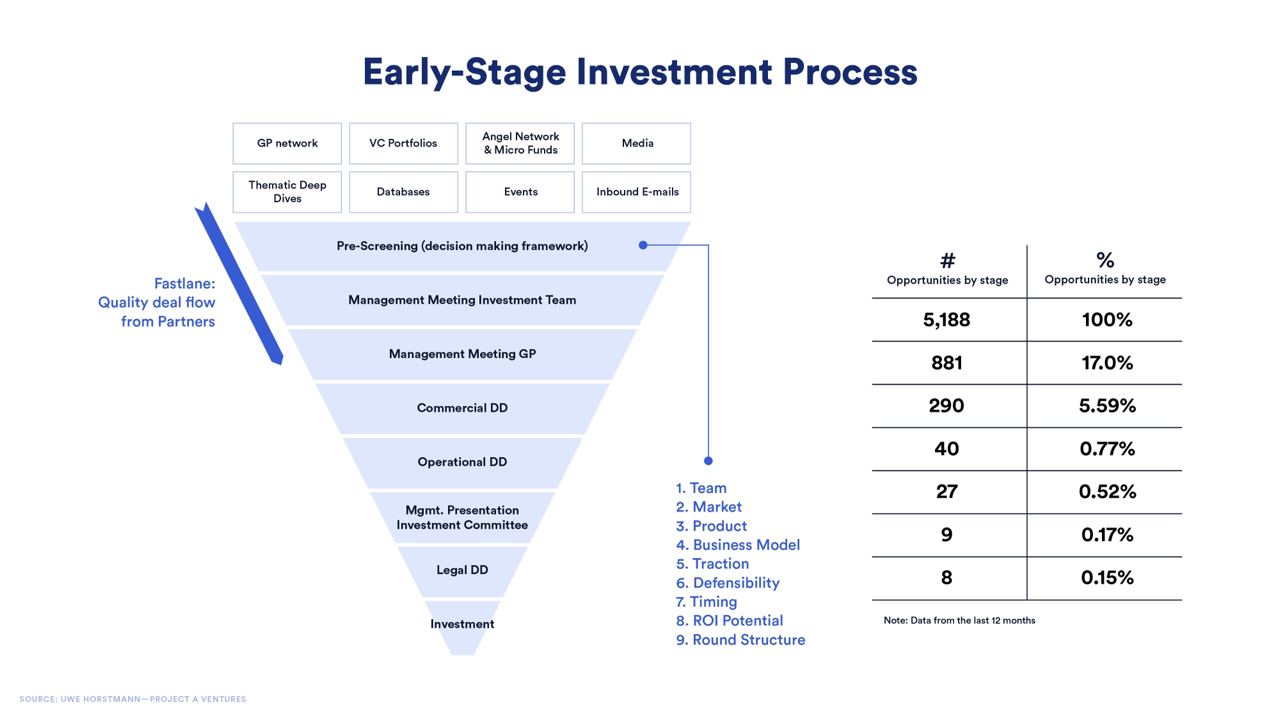
Our best team of analysts will ask a series of questions designed to define all the strengths and weaknesses of your startup and check if it is ready for the big fight aka Pre-Seed or Seed fundraising.
We’ve already helped numerous startups to reach their goals, so if you’re feeling like boosting your scale beyond limits, we’re here to help!
- What is Pre-Seed Investment?
- Purpose of Pre-Seed Fundraising
- Exploring Seed Funding
- What is a Seed Round of Funding
- Purpose of Seed Funding
- What is the Key Difference Between Pre Seed and Seed Rounds?
- Comparing Funding structure
- Comparing Types of investors
- Comparing Business stage
- Understanding Your Funding Needs with Majinx Capital