
Early-Stage Investing: How to Make It Successful
17.05.2024
Share
What is an Early-Stage Investment?
Early-stage investment occurs at the very beginning of a startup's development. At this stage, there is often just an idea and no profound MVP or developed product. Early-stage investors are well aware of the risks associated with such investments; however, these can also offer higher returns in the long run.
That’s why this type of funding requires a deep understanding of the market and professional investors who can thoroughly assess the advantages and disadvantages of the product.
What are the Benefits of Early-Stage Investing?
One of the biggest benefits of early-stage investments is the potential for high returns. Skilled investors focus on highly promising projects with substantial success potential. They also consider the risk of failure and prepare for the possibility of losing their investment if things don't go as planned.
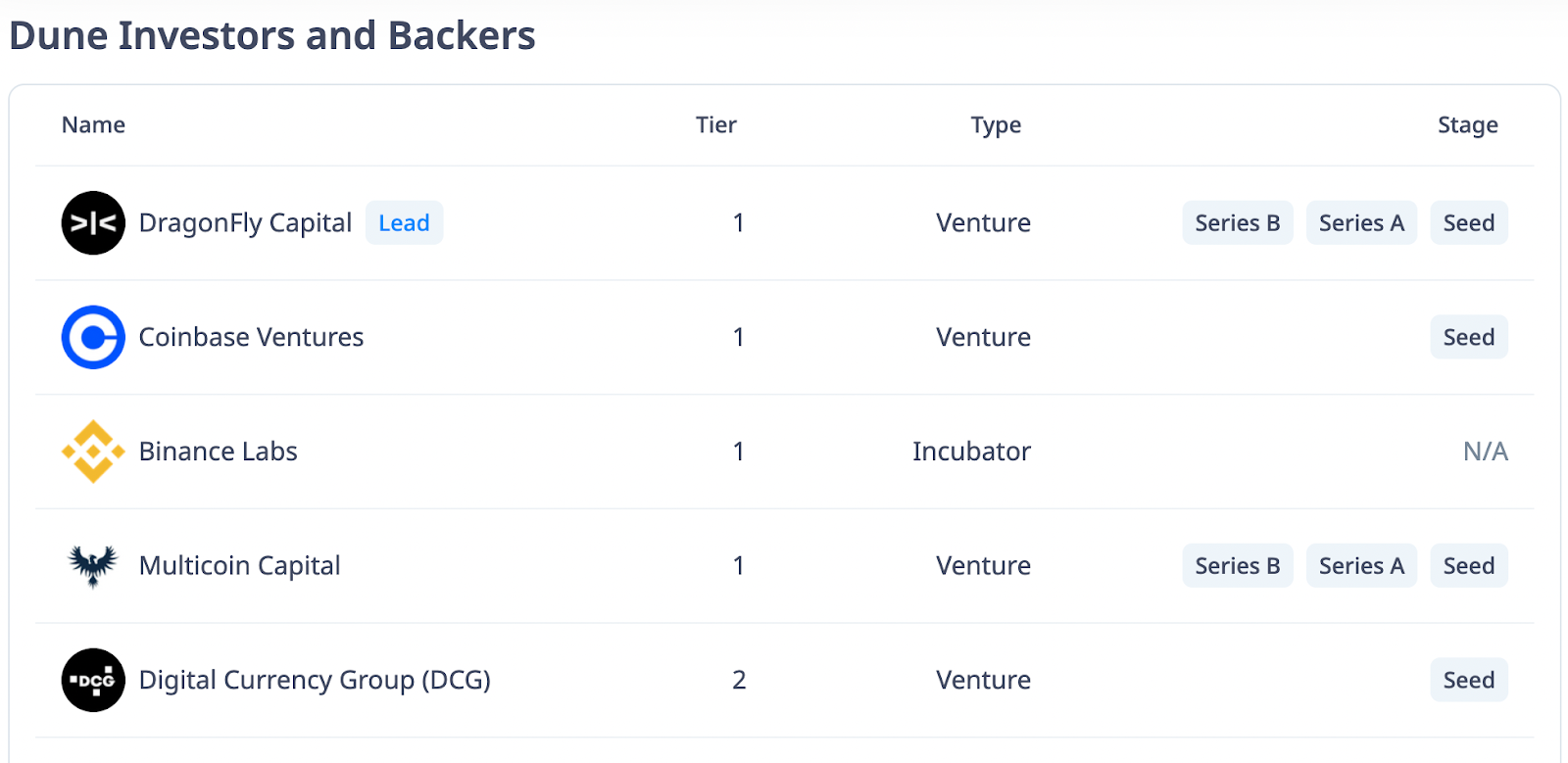
Consider Dune Analytics, a well-known online service that makes on-chain crypto data accessible and consumable. In 2022, it was just a startup trying to carve out its niche in the Web3 sector. Its seed round was led by DragonFly Capital, which recognized its potential early on. The round was also supported by major players like Coinbase Ventures and Multicoin Capital. Initially, they managed to raise $2 million, but within a year, they raised $69.42 million in a Series B round led by Coatue, bringing substantial profits to early-stage investors.
Another significant benefit of early-stage investment is the expansion of connections within the industry. Even if you don't succeed in raising money immediately, you'll still acquire many new contacts, and someone may take note of you for potential investment later on.
What is the Difference Between Early-Stage and Late-Stage Investment?
In early-stage investment, there is usually a high potential for growth. However, these companies often lack a substantial user base and have little to no revenue.
Furthermore, the investment amounts can vary widely, early-stage seed investors can briefing to the table from $50,000 to $2 million.
In contrast, late-stage investments involve significantly higher amounts, and the company's overall profitability is usually more stable, supported by a solid user base. Additionally, late-stage companies may have already established their niche and secured a strong market position. They may have also expanded into new markets or developed new products.
What is Early-Stage Capital?
Early-stage capital is a form of investment that supports the initial operation and primary production of a company. It aids in the development and continual improvement of the product throughout all stages of production. Additionally, early-stage capital can be used to support sales and other marketing activities within the company.
Some investors prefer to wait until the early-stage round to fund, as risks are somewhat reduced compared to the seed stage, which is associated with a higher risk of failure. The seed round is the first official round of funding where investors receive equity, stock options, or convertible notes.
Early-stage investments often require more money because the company may already have a demo MVP and be engaged in marketing and PR activities, which also need financial support.
How Do Early-Stage Seed Investors Make Money?
Despite the fact that many early-stage investing rounds fail, some succeed in covering costs and yield substantial profits for VCs, angel investors, and other investment institutions. For instance, in 2010, Uber secured 11 angel investments totaling $510,000.
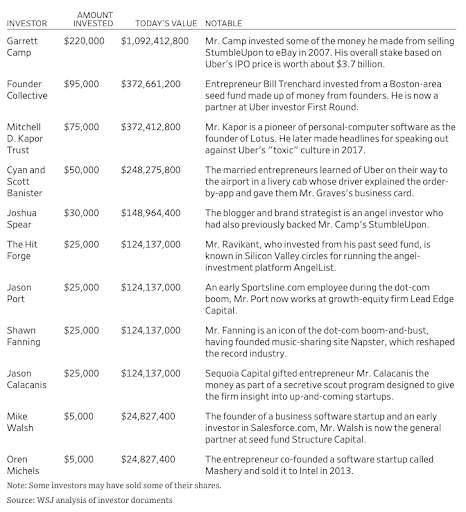
The average investment was just $5,000. However, when the company went public in 2009, the total value of angel investments reached approximately $2.5 billion.
This underscores why it's crucial to do your own research (DYOR) on the project and determine the main ways to realize returns on your investments.
Overall, the major ways for investors to generate income include:
- Acquisition: Another company buys out the startup you invested in. This generates a return on investment as the sellers seek to profit from the effort they’ve put into building the company.
- Initial Public Offering (IPO): When a startup goes public, it offers stocks on the market. This method can be profitable, as attracting outside investments in stocks may provide a substantial foundation for long-term financial stability.
- Retaining Equity: An investor may receive regular income in return for their activity. This is a viable option if the company is already profitable and well-known.
- Shares: If your agreement includes making the investor one of the founders or a director, they can also hold a share in the company.
How to Invest in Early-Stage Startups?
If you're interested in early-stage investing, there are several things you need to know:
First, educate yourself thoroughly about investing in early-stage startup. It's essential to understand the risks and challenges that come with this type of investment so that you can prepare adequately in advance.
Second, explore top resources that provide information on early-stage investing, such as Crunchbase or AngelList. Review upcoming funding rounds and do your own research (DYOR)! Select the most promising projects and then analyze their roadmap, MVP, team, and business model—anything that can impact future profitability and success. In short, conduct due diligence based on all these criteria.
Third, once you've completed your due diligence and chosen which projects to focus on, it's time to work with your lawyer to draft a proper investment agreement that outlines the terms of your investment.
Overall, before making your final investment decision, focus on the following criteria: a strong and experienced team, a promising product, a large market, a clear business model, and financial backing.
The final step is to negotiate with the project's team to address any uncertainties you have. Document any unclear aspects of the roadmap and business model. Interview the founders and the marketing team, and perhaps conduct a small test to assess their professional skills. Discuss all the details in advance to prepare the team, but don't disclose the exact topics you plan to cover so they cannot prepare scripted answers.
If everything checks out and you are satisfied, make sure to analyze all the information one more time and double-check all the details. Then, you can make your final decision to invest.
What are the Problems with Early-Stage Ventures?
Investing in early-stage startups come with a variety of challenges due to their inherently risky nature.
- Access to Capital: It is often difficult for early-stage startups to access funding. There may be a lack of clear documentation regarding the specific dates and schemes that describe the percentage of income and its distribution to investors. Therefore, having a clear business plan is crucial.
- Market Size: Sometimes, startups may not accurately estimate the market they are targeting. The market could be too small to be profitable in the long run. Thus, it is important to thoroughly evaluate the niche, its prospects, and profitability before making any investments.
- Competition: Venture capitalists who focus solely on early-stage rounds may find themselves competing against the biggest names in the industry. This can be particularly challenging, as large investments are hard to surpass unless matched by even larger ones. However, this can be mitigated by soft skills such as paying close attention to customer needs and being flexible (e.g., supporting the project at various stages and levels, including marketing, sales, etc.).
- Scalability: Sometimes, startups lack a clear vision for developing their project and revenue streams. In such cases, it is up to the investor to aid in automating the business and assembling a future team to ensure the project has a solid foundation for scaling and flourishing.
- Exit Strategy: Developing an exit strategy can be challenging if there are no viable resources to go public or be acquired by a larger company. This issue can be addressed by partnering with other companies to reach a larger market.
All in all, early-stage investment may become a great way to maximize your profits. To do so, you need to take into account all the risks and DYOR the project, its team, business plan, roadmap and market size.
- What is an Early-Stage Investment?
- What are the Benefits of Early-Stage Investing?
- What is the Difference Between Early-Stage and Late-Stage Investment?
- What is Early-Stage Capital?
- How Do Early-Stage Seed Investors Make Money?
- How to Invest in Early-Stage Startups?
- What are the Problems with Early-Stage Ventures?